
Eligibility for Energy Tax Credit in Florida: Efficient Home Improvements and Residential Clean Energy

Navigating energy tax credits can get confusing fast, especially when rules change. This guide explains how energy efficient home improvements and residential clean energy property credits apply to Florida homeowners under current IRS guidance. Use it as a planning tool, then verify current limits, timelines, and filing rules at irs.gov and with a licensed tax professional before you claim a credit.
Understanding the Energy Tax Credit for Energy Efficient Home Improvements
The energy tax credit, also known as the energy efficient home improvement credit, is a financial incentive designed to encourage homeowners to make energy-efficient upgrades to their properties. This credit may apply to qualifying residential clean energy improvements, including certain heat pumps and energy-efficient water heaters, when the equipment and installation meet current IRS requirements.
If you’re weighing a heat pump against a traditional cooling setup, our Central AC vs. heat pump guide for Florida homes can help you compare comfort, efficiency, and installation goals before you choose a system.
Frequently Asked Questions About Energy Efficient Home Improvements
Here are frequently asked questions about energy efficient home improvements and residential clean energy property credits, with Florida homeowner notes for HVAC, insulation, window, and solar projects:
What is the Energy Efficient Home Improvement Credit?
The energy efficient home improvement credit allows homeowners to claim a tax credit for certain qualified expenditures made towards energy efficiency improvements in their homes.
What types of improvements qualify for the credit?
Eligible improvements include installations of energy-efficient heating and cooling systems, insulation, energy-efficient windows and doors, and other enhancements that improve the energy efficiency of a home.
What improvements are excluded from eligibility for these credits?
While the energy tax credits offer significant benefits for primary residences, not every property or improvement is eligible. Improvements made to homes that are not used as your residence—such as investment properties or vacation rentals—do not qualify for these credits. Generally, upgrades to rental properties or those primarily used for business purposes are excluded.
Additionally, while renters and owners of second homes may sometimes be eligible, the most comprehensive credits typically apply only to work done on your main home. Be sure to review the specific criteria before embarking on upgrades, as not all projects will meet the requirements for these valuable incentives.
What is the amount of the credit?
The credit percentage can vary based on the type of improvement and the current IRS rules. Homeowners should confirm the exact credit structure that applies to their project before they file.
Under current IRS guidance, qualifying property generally needs to be placed in service through December 31, 2025. If you run into older articles with longer timelines or phase-down language, verify the latest IRS wording before you rely on them. Homeowners may still see figures such as a 30% credit rate, a $1,200 annual limit for many energy efficient home improvements, and a $2,000 annual limit for certain qualifying heat pumps and similar equipment, but verify the current limit that applies to your installation and tax year with the IRS or your tax professional before you file.
Are there annual or lifetime limits on credits for these improvements?
Yes. Annual limits, qualifying categories, and documentation requirements can change with legislation, IRS releases, and product-specific rules.
Track whether your upgrade falls under the energy efficient home improvement credit or the residential clean energy credit, and verify the current percentage, annual cap, and filing requirements before you claim anything. That extra verification matters if you are comparing high-efficiency cooling equipment, solar equipment, or a qualifying heat pump. Our Florida heat pump service guide can help you understand how these systems fit real-world installation and maintenance decisions.
How do I qualify for the Residential Clean Energy Property Credit?
To qualify, homeowners should make sure their energy-efficient home improvements meet current IRS requirements and that the property is placed in service during the tax year for which they plan to claim the credit. Eligibility is not automatic, so confirm the current rules before you file.
What expenses are covered under the Residential Clean Energy Credit?
The Residential Clean Energy Credit covers a range of installations that harness renewable resources to help power or heat your home. Qualifying expenditures include:
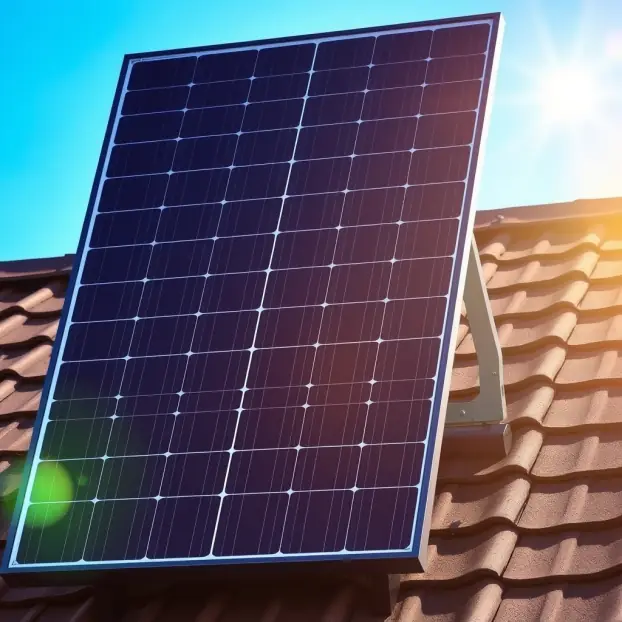
- Solar panels used for electricity generation
- Solar water heating systems
- Wind turbines for home energy production
- Geothermal heat pumps
- Fuel cell property
- Battery storage technology, with eligibility beginning for installations placed in service in 2023
Be sure the equipment meets recognized efficiency and quality standards. These upgrades may lower utility costs over time, but tax eligibility still depends on the current IRS rules, the exact product installed, and the documentation you keep.
Are there any specific requirements for eligible expenditures?
Yes, certain qualified expenditures must be made on improvements that are recognized as energy-efficient by the Department of Energy or noted as Energy Star rated products.
Where can I find more information about the IRS releases for energy tax credits?
The IRS frequently releases updates and FAQs regarding energy credits. Homeowners should refer to the official IRS website for the most current information on eligibility, filing guidance, documentation requirements, and timeline changes.

The energy tax credit is a federal incentive designed to encourage homeowners to invest in energy efficiency upgrades and residential clean energy technologies. When a project meets current IRS rules, the credit may reduce part of the upfront cost of making a home more efficient. It gives homeowners a reason to compare higher-efficiency equipment, better insulation, and cleaner energy options before they replace aging systems.
What is the Energy Tax Credit?
The energy tax credit, specifically the energy efficient home improvement credit, is a provision offered by the Internal Revenue Service (IRS) that may allow homeowners to claim a credit on their tax return for qualified energy efficient home improvements and residential clean energy property additions. These improvements can range from installing energy-efficient windows and doors to upgrading HVAC systems or adding solar panels. The goal is to encourage investments in energy efficiency and cleaner energy sources, but homeowners should still verify that their project qualifies before they expect a tax benefit.
Benefits of the Energy Tax Credit
The benefits of the energy tax credit can be meaningful when a project qualifies. For homeowners, it may help offset part of the project cost and support lower operating costs from more efficient equipment. The exact tax result depends on the current IRS rules, your installation, and your own tax situation, so verify the details before you count on a credit.
Overview of IRS Releases on Energy Credits
The Internal Revenue Service (IRS) periodically issues releases and frequently asked questions (FAQs) to provide clarity and guidance on energy credits, including those related to residential clean energy and energy efficiency improvements. These IRS releases and frequently asked questions offer detailed explanations of eligibility requirements, credit calculation methods, and necessary documentation related to the Inflation Reduction Act. Keeping abreast of these IRS releases frequently asked questions is crucial for taxpayers seeking to claim these credits accurately and maximize their potential savings on energy credits.
Criteria for Qualifying for the Energy Tax Credit

Energy Efficiency Standards in Florida
To qualify for the energy efficient home improvement credit or the residential clean energy property credit in Florida, the property must meet the current efficiency standards referenced by the Department of Energy, the IRS, or the manufacturer documentation tied to that product. Those standards can change. The safest move is to confirm the exact model, installation scope, and placed-in-service date before you assume a project qualifies.
Common Upgrades Qualifying for the Tax Credit
Many energy-efficient home improvements and residential clean energy properties can qualify for the clean energy tax credits. Some examples of eligible improvements are heat pump water heaters and other residential energy efficient property upgrades.
- New windows, doors, insulation, and heat pumps can significantly enhance home energy efficiency.
- HVAC systems
- Solar panels, solar water heaters, and heat pumps are key components of clean energy solutions.
To qualify, these improvements and residential clean energy property must meet current energy efficiency ratings and performance standards. Always confirm the latest IRS guidance before you buy equipment or schedule installation.
Specific Requirements for Energy Property
Specific requirements for energy property, particularly to qualify for the residential clean energy property credit under the IRA, often involve meeting specific efficiency ratings and certifications, including those for heat pump water heaters. For instance, HVAC systems may need to meet a minimum Seasonal Energy Efficiency Ratio (SEER). The type of insulation used must also meet certain R-values to qualify for the energy efficiency improvements. Detailed information on these specifications can be found in IRS releases and frequently asked questions regarding energy credits and the energy efficient home improvement credit.
How to Determine Eligibility

Conducting a Professional Energy Audit
To accurately determine your eligibility for energy credits, start with a professional energy audit that addresses questions about energy efficient home improvements. This audit involves a thorough assessment of your home’s energy usage and identifies areas where improvements can be made. A qualified auditor can provide a detailed report outlining specific recommendations, helping you qualify for the energy efficient home improvement credit or the residential clean energy property credit, ensuring your home meets energy efficiency standards and is therefore a more efficient home.
Consulting with Tax Professionals
Navigating energy credits requires expert guidance, so it makes sense to talk with a tax professional before you file. They can review the current IRS rules, the documentation from your installer, and the exact date your equipment was placed in service. That helps you avoid guessing about eligibility, limits, or how a specific project should be reported on your return.
Identifying Which Improvements Qualify for Credits—Past vs. Planned
Determining if tax credits apply to your recent or upcoming energy improvements involves a bit of timing and documentation. Generally, credits are based on the date the property is “placed in service”—that is, when the new system or upgrade is ready and available for use in your home.
- Improvements already completed: Review your receipts, installation dates, and ensure your past upgrades meet the efficiency standards in effect for the year they were placed in service.
- Planned upgrades: Check the most current IRS releases and energy efficiency guidelines before you begin. Standards can shift with each tax year—what qualified last year may not suffice next year.
A professional energy auditor or your tax advisor can clarify eligibility so you know whether that new heat pump you installed last spring, or the solar panels you’re considering for next fall, fit under the latest rules. Keeping solid records and staying up-to-date with evolving criteria will help you confidently determine which investments in your home are eligible for credits—whether you’ve already made them or are still in the planning phase.
Staying Informed About Changes in Criteria
The criteria for energy credits under the Inflation Reduction Act are subject to change, requiring homeowners to stay informed. Monitor IRS releases and frequently asked questions about energy for updates on eligibility requirements and energy efficiency standards, especially those related to the Inflation Reduction Act. Changes can impact what types of residential clean energy property qualify and the amount of the energy efficient home improvement credit. Proactive monitoring helps you make informed decisions and ensures your energy property continues to meet evolving standards.
Frequently Asked Questions About Energy Tax Credits
What Improvements Qualify for the Tax Credit?
Many improvements, including heat pumps and insulation, can qualify for the energy tax credit. Specifically, home upgrades often include heat pump water heaters and other energy-efficient installations.
- Installing energy efficient windows, doors, insulation, and HVAC systems.
- Investments in residential clean energy property like solar panels, solar water heaters, and battery storage are encouraged under the IRA.
Always check the specific requirements and energy efficiency standards outlined in the IRS releases and frequently asked questions about the energy efficient home improvement credit for details to qualify for energy credits.
Can Renters and Owners of Second Homes Benefit?
While these tax credits are most commonly available to homeowners upgrading their primary residences, that’s not the whole story. Renters may also be eligible to claim certain energy credits, especially if you’re footing the bill for qualified improvements to your rented space. Similarly, if you own a second home that you use as a residence (think vacation cabin or beach condo), you might be able to take advantage of these incentives as well.
However, keep in mind that these credits generally don’t apply to properties you don’t use as a residence—so investment properties or rental properties you lease out to others typically don’t qualify. Always review the latest guidelines to confirm your eligibility before planning any upgrades.
How to Document Your Energy Efficiency Improvements?
Proper documentation is crucial when claiming energy credits. Keep detailed records of all energy efficiency improvements made to your home, including receipts, invoices, and manufacturer certifications for residential energy property. These documents help show that your property placed in service meets the required standards for the credit you plan to claim.
What records should you keep for energy tax credits?
Keep your paperwork together before tax time. A simple folder now can save a lot of back-and-forth later.
- Itemized invoice showing the equipment installed and the labor scope
- Manufacturer certification or product sheet for the exact model installed
- Model and serial numbers from the equipment nameplate
- The placed-in-service date — the day the equipment was installed and ready to use
- QMID or QPIN details when the manufacturer provides them; these are product IDs the IRS may require for certain credit claims
- Permit, inspection, or final payment records tied to the job when available
If you are maintaining an older system while planning a bigger upgrade, our Florida AC maintenance schedule guide can help you keep the equipment documented and running as efficiently as possible.
What should homeowners ask before replacing HVAC equipment for a tax credit?
Ask whether the exact model qualifies under current IRS guidance, what paperwork you will receive after installation, when the equipment will be placed in service, and whether the contractor can help you locate any manufacturer documentation you may need at tax time.
What Happens if Criteria Change Yearly?
If criteria for energy credits change yearly, it’s essential to stay updated with the latest IRS releases and frequently asked questions about energy efficient home improvements. Changes can affect eligibility, documentation, annual caps, and the amount of the residential clean energy property credit you may be able to claim. Review the latest IRS guidance before you buy, install, or file.